

26 Mar The Hidden Complexities of Commercial Floor Maintenance: A Leisure Centre Case Study
The Background
We all know that commercial flooring is chosen primarily for its safety characteristics rather than how it will be cleaned and maintained over the years. The final decision often comes down to wear and slip resistance in expected environmental conditions (humidity, dampness, lighting levels, proximity to ramps or stairs, and chemical resistance), followed by aesthetic appearance.
What is frequently at the bottom of the list is how “cleanable” the flooring is—not just once, but every day for many years. Furthermore, the impact that floor-cleaning processes will have on surrounding surfaces and furniture is often ignored. For example, varnished chairs and painted skirting boards can easily be damaged by the aggressive cleaning products often recommended for heavy-duty floors.
Flooring must be suitable for the type and level of foot traffic, but it must also be kept to a presentable standard for customers. How do you balance the need for safety with maintaining high cleaning standards without damaging the surrounding environment?
The Challenge
We have encountered this problem with heavy-duty, high-traffic safety flooring for years. Recently, we were presented with a prime example: the main entrance to a busy leisure centre featuring a swimming pool.
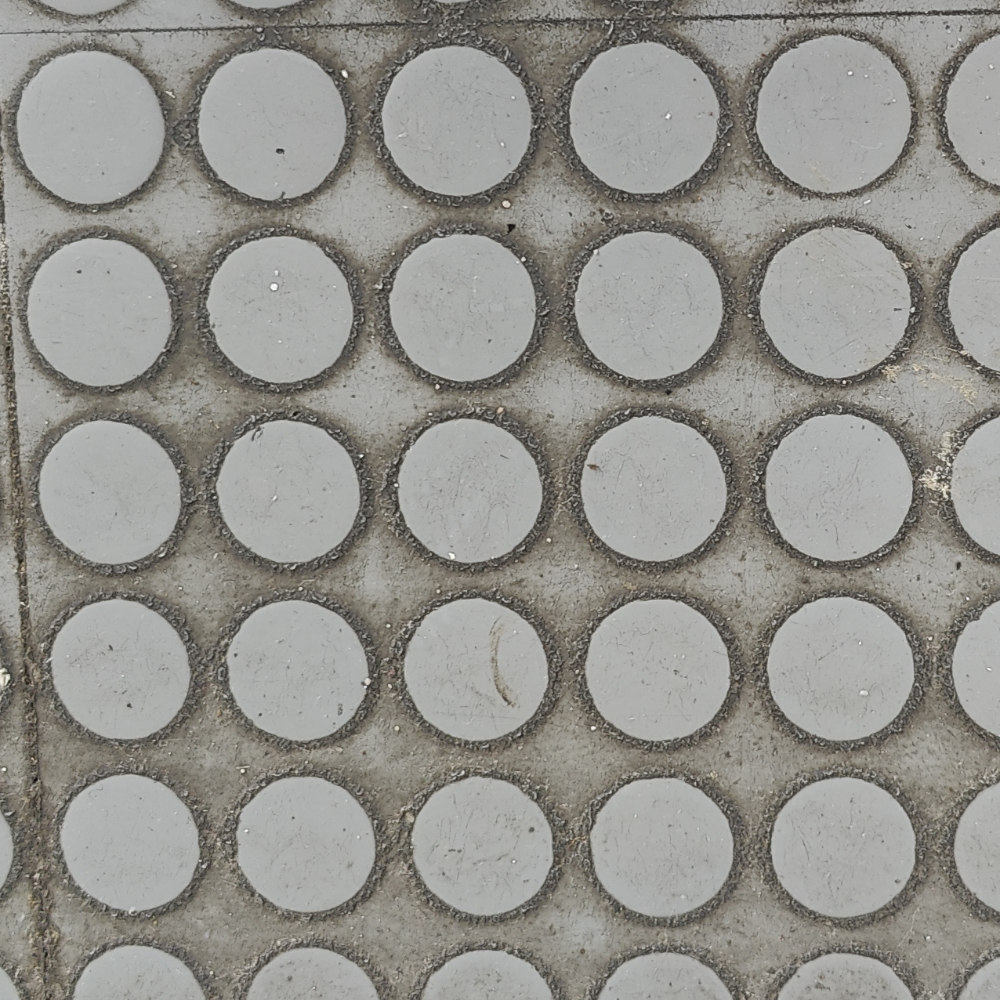
The floor was a heavy-duty nitrile rubber safety floor. Seven days a week, hundreds of customers walked over it. Because water from outside and humidity from the pool could easily make the surface slippery, safety was paramount. To manage this, the centre focused heavily on hygiene, selecting a disinfectant floor cleaner and utilising regular string mops to clean the floor.
However, the centre is located in a hard-water area. It was obvious from observing various surfaces in the building that hard-water scale was building up, indicating a lack of proper descaling processes. The chosen floor product was designed purely to clean and disinfect; it had no chemical ability to control hard-water scale.
The Audit and Discovery
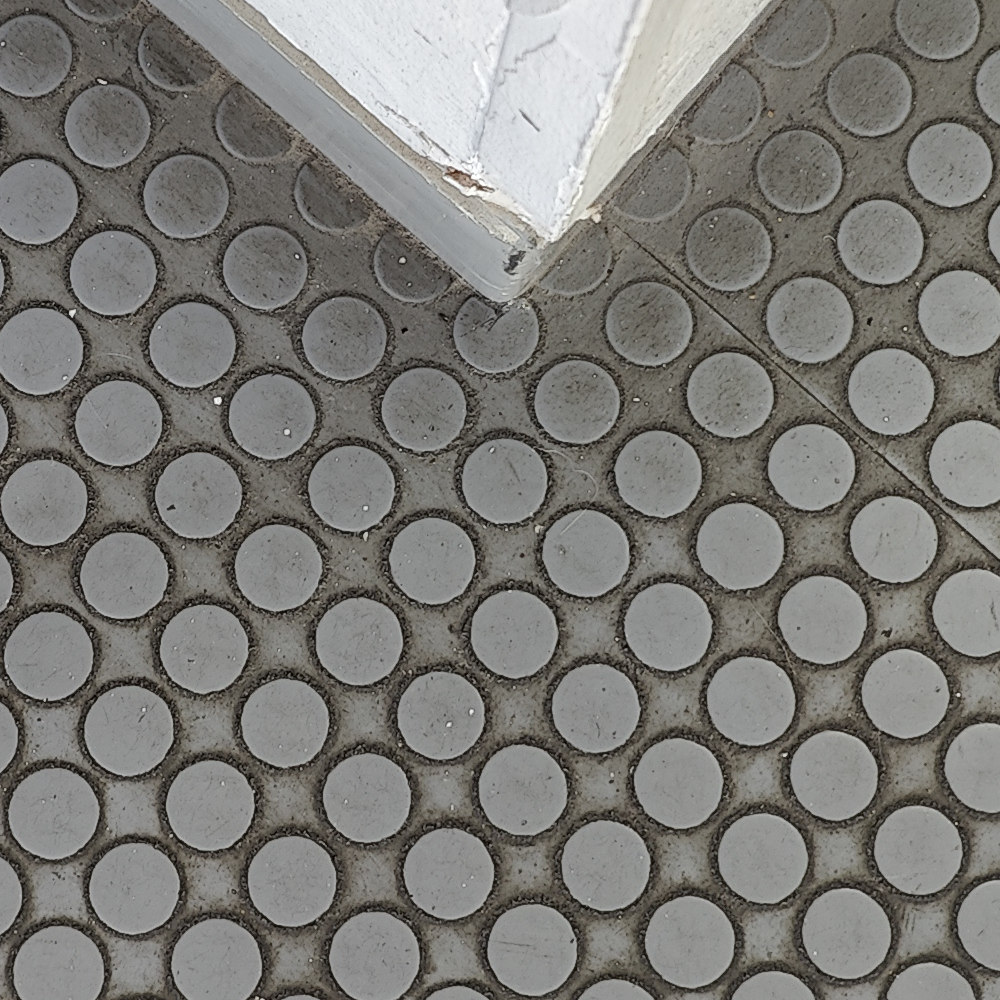
Knowing the cleaning product used, the hardness of the local water, and the environmental conditions, we conducted a thorough audit of the floor. The audit of the floor was part of a larger site-wide audit.
We discovered a significant build-up of a complex “soiling matrix.” This matrix consisted of hard-water scale, general dirt, dried detergent residue, and mould growth (biofilm). We found that the daily cleaning product was woefully inadequate for the task. Furthermore, the mechanical action of mopping, combined with the wrong chemical, failed to agitate and remove the dirt. As this matrix built up, the task of cleaning became increasingly difficult, reducing the floor’s slip resistance (in damp and wet conditions) and aesthetic appeal to the point that a major intervention was required.
The Customised Solution
A successful solution required understanding three critical factors: the exact nature of the soiling matrix, the compatibility of the floor materials with specific chemicals and mechanical agitation, and the vulnerability of surrounding surfaces.
Normally, heavily soiled heavy-duty flooring requires equally heavy-duty, aggressive cleaning chemicals. However, due to the surrounding surfaces and furniture, a highly controlled, specific cleaning process was selected:
- Alkaline Deep Clean: We applied a moderate alkaline solution using hand-hot water to break down the biofilm, grease, and general soiling. This was applied with manual cleaning equipment and carefully agitated with a brush-attached scrubber, then thoroughly rinsed.
- Acidic Descaling: With the organics removed, we applied a moderate acidic solution to target and dissolve the hard-water scale matrix. This was left to dwell for a specific period before being thoroughly rinsed.
The two cleaning chemicals—especially the acidic product—were carefully chosen to strike the perfect balance between maximum cleaning effectiveness and zero damage to the surrounding environment.
The Outcome and Future Maintenance
The deep cleaning process successfully stripped away the complex matrix of scale and biofilm, restoring the heavy-duty nitrile floor to its original safety specifications and visual standard.
To prevent this matrix from forming again, we overhauled the facility’s regular maintenance routine. The daily cleaning chemical was changed to a mild acidic product to continually combat the local hard water, and the string mops were replaced with a compact scrubber drier to ensure proper mechanical agitation and complete soil removal.